


International Symposium on Diversification of Vegetable Production and New Growing Techniques for Sustainable Farming Systems (GreenVegs2026)
Conveners

Francesco Di Gioia
Pennsylvania State University

Megumu Takahashi
National Agriculture and Food Research Organization (NARO)
Keynote Speakers
Francesco Di Gioia
Pennsylvania State University

Kazuyoshi Nada
Mie University
Program
The oral and poster sessions for this symposium are listed below. Times are shown in Japan Standard Time (JST) and may be updated as the program is finalized. Click a session to view its presentations, or search by author, title, or presentation number; keynote and invited talks are marked. For the full congress schedule across all rooms and days — including a timeline view and a “What’s on now” finder — see the Program at a glance page.
Submit your Acta Horticulturae Manuscript
Abstract submission for IHC2026 is now closed. The next step for presenters is the Acta Horticulturae manuscript. You can submit the manuscript related to your presentation through your abstract account on the ROSA system using the button below. The submission deadline is 15 August 2026. All oral presenters — including invited and keynote speakers — must submit a manuscript, and poster authors are strongly encouraged to do so as well.
Scientific Committee
Aiko KaminishiJPN; Antonio EliaITA; Athanasios KoukounarasGRC; Daniel Ivan Leskovar USA; Etsuko ItabashiJPN; Ferdinando BrancaITA; Giulia ConversaITA; Hiroki IkedaJPN; Minori Hikawa-EndoJPN; Spiridon PetropoulosGRC; Stefania De PascaleITA; Takehiko YamamotoJPN; Warley NascimentoBRA; Wenge LiuCHN; Xin ZhaoUSA; Yuka NakanoJPN; Yüksel TüzelTUR
Call for Abstracts
This symposium will focus on the diversification of vegetable production systems and on the advancement of new growing solutions aimed at enhancing the sustainability of current farming systems. Diversified agricultural systems employing agroecological approaches and climate smart solutions are critical to establish more efficient, resilient, and secure food systems capable of feeding the growing world population while mitigating climate change, resource limitations, emerging pests and pathogens, and social challenges.
We welcome scientific contributions aimed at examining: i) the effects of diversified vegetable production systems (including new crops, crop rotations, the use of cover crops, intercropping, etc.); ii) novel sustainable vegetable growing techniques (including, climate smart solution, data-driven and artificial intelligence technologies, biological solutions and strategies, agronomic biofortification, alternative growing systems) on plant growth and physiology, soil-plant-microbiome interactions, nutrient cycling and soil health, water, energy, and nutrient use efficiency, the suppression of weeds and other soilborne pests and pathogens, push and pull strategy and other sustainable pest and pathogen management; iii) crop yield and quality performance, crop nutrient content and secondary metabolite profile, novel vegetable products. Moreover, the quality of sustainable vegetable supply chain, in terms of sensorial, nutritive and nutraceutical properties, will be object of attention along with the sustainability of vegetable crop systems across different production scales.
The following topics will be developed during the symposium:
- Diversified and innovative vegetable farming systems
- Characterization and valorization of agrobiodiversity resources as new crops
- Vegetable response to environmental stressors and climate smart farming solutions
- Precision agriculture solutions for the efficient management of water and nutrient resources
- Organic and regenerative vegetable production systems
- Soil management and soil health promoting solutions
- Sustainable pest and pathogen management/control
- Vegetable nutritional composition and nutraceutical quality attributes
- Vegetable agronomic biofortification
- Quality of produce and novel vegetable food products






 Prof. Hiroyasu Kitashiba is a distinguished plant geneticist and breeding scientist, serving as a Professor in the Graduate School of Agricultural Science at Tohoku University, Japan. He earned his Doctor of Agriculture degree from Tohoku University in 1999 and subsequently embarked on a research career focused on plant genetics and breeding.
 Rishikesh Bhalerao received his Ph. D in 1993 from Umea University. Following his Ph. D, he did his Post-doc with Csaba Koncz at the Max-Planck Institute in Cologne. He returned to Sweden in 1997 and started his own research group shortly afterwards at The Swedish University of Agricultural Sciences (SLU). He is a full professor at SLU and the major focus of his work is understanding how seasonal cues such photoperiod and temperature control annual growth cycle of trees using hybrid aspen as a model. Rishikesh Bhalerao was elected as EMBO member in 2023 and selected as Wallenberg scholar in 2024.
 Science Team Leader at the Bioeconomy Science Institute in New Zealand. A plant molecular physiologist, with a focus on understanding carbohydrate metabolism during kiwifruit/kiwiberry vine and fruit development, and how this can affect other traits (e.g. flesh pigmentation, flowering and budbreak). A passion for multidisciplinary approaches integrating transcriptomic and metabolomic datasets.

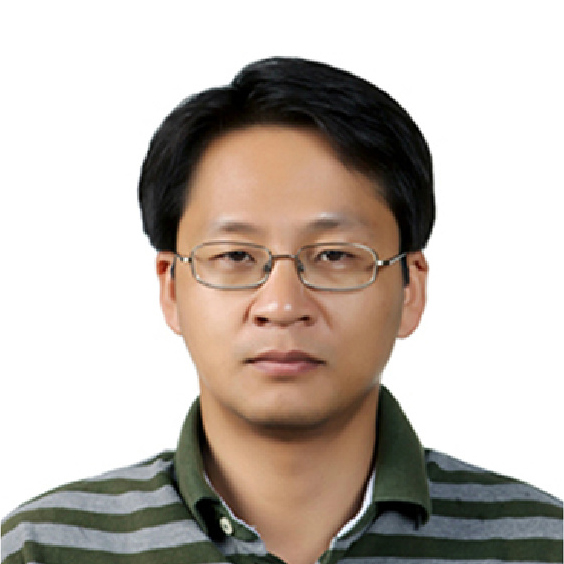
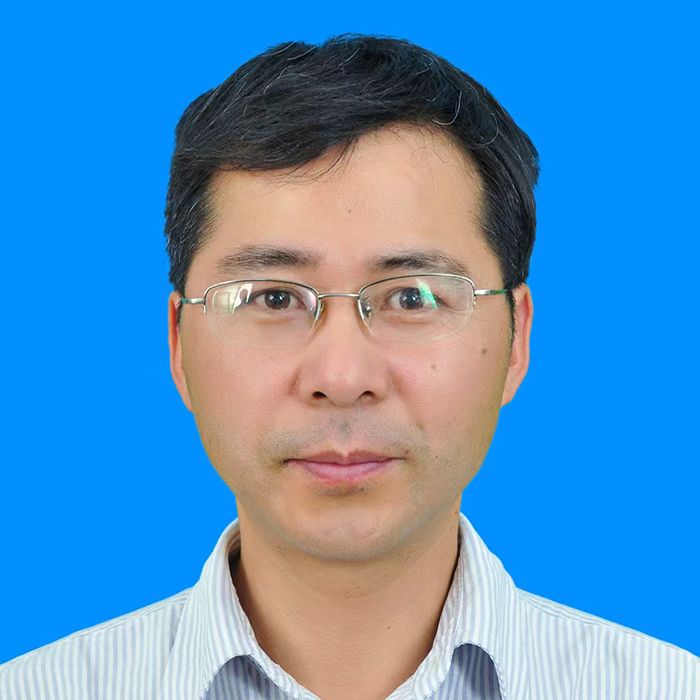 Honghui Gu, Ph.D., is a Research Professor and Deputy Director of the Institute of Vegetable Science at the Zhejiang Academy of Agricultural Sciences. He is a leading expert in the genetic breeding and molecular biology of cauliflower and broccoli, with long-term dedication to innovation in Brassica oleracea crop improvement.
 Donata Arena is a Postdoctoral Research Fellow at the Department of Agriculture, Food and Environment, University of Catania, and a contract lecturer in horticultural crops courses. In May 2025, she obtained a Ph.D. in Biotechnology at the University of Catania, with the additional International Doctor qualification. Her research integrates omics approaches with crop and food biotechnology to evaluate and valorize traditional and wild Brassica oleracea L. germplasm, with the goal of developing innovative and functional food products. Her work combines the characterization of genetic resources with the assessment of quality, nutraceutical traits, and sustainable production systems. She has contributed to international projects including EU H2020 BRESOV, EU Horizon COUSIN, and COST Action weedingMAPs, and is currently involved in the evaluation of organically cultivated vegetables. She has co-supervised Bachelor’s and Master’s theses, completed multiple visiting research stays abroad, and supports teaching activities in Vegetable and Food Biotechnology. She is a member of ISHS and SOI.
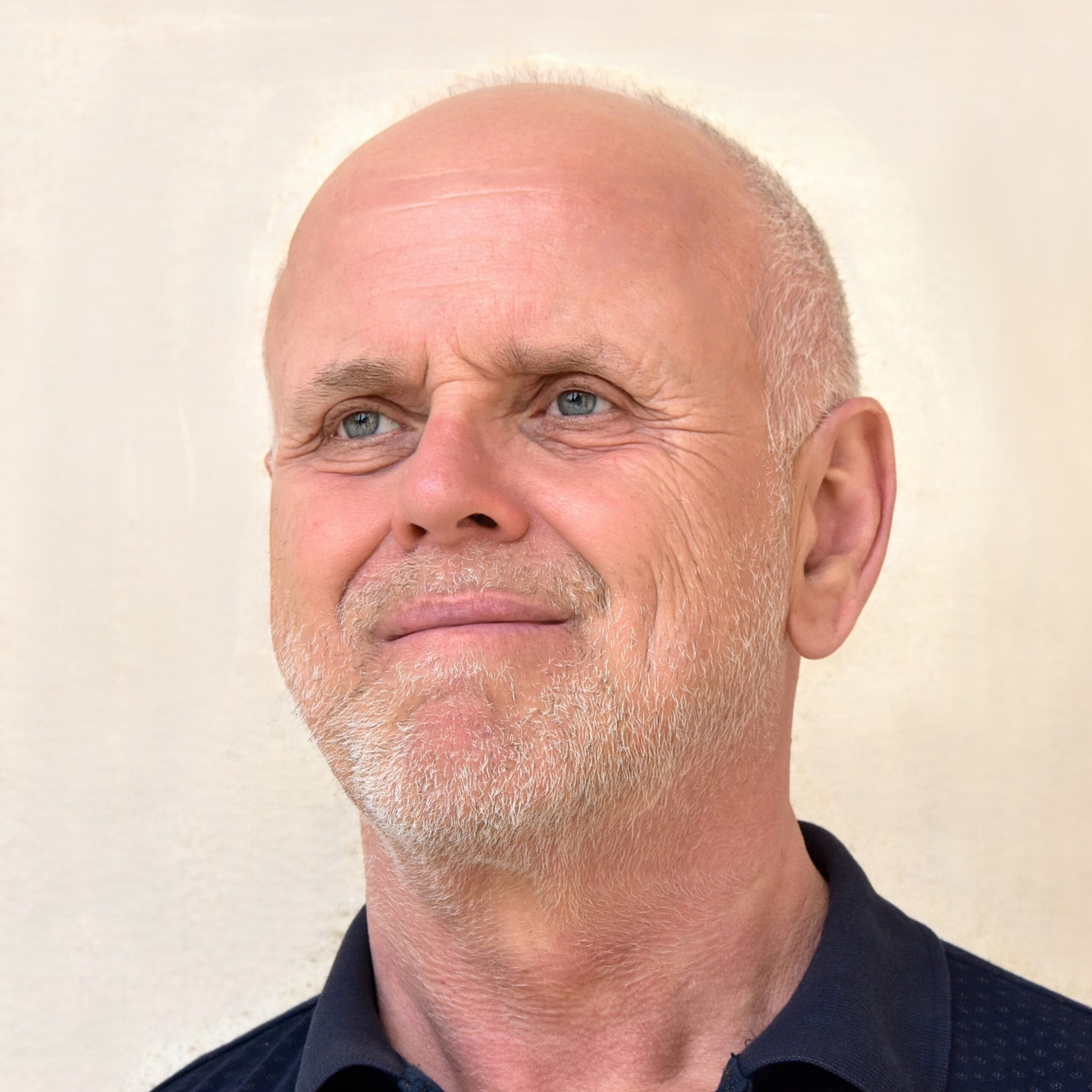 Nazim S. Gruda is Professor of Horticultural Sciences at the University of Bonn, Germany, and an internationally recognized scientist in sustainable horticultural cultivation and plant sciences. He earned his doctorate from the Technical University of Munich and his habilitation from the Humboldt University of Berlin, Germany. With four decades of research experience, his work focuses on innovative and sustainable horticultural food production systems and climate-smart agriculture, contributing substantially to both scientific advancement and practical implementation. His scientific excellence has been recognized with several prestigious honors, including the Dr. Heinrich Baur Prize from the Technical University of Munich. He is a member, honorary member, or corresponding member of four European Academies of Sciences, an Investigador Distinguido of the Polytechnic University of Cartagena, Spain, and a Distinguished Scientist of the Chinese Academy of Sciences.
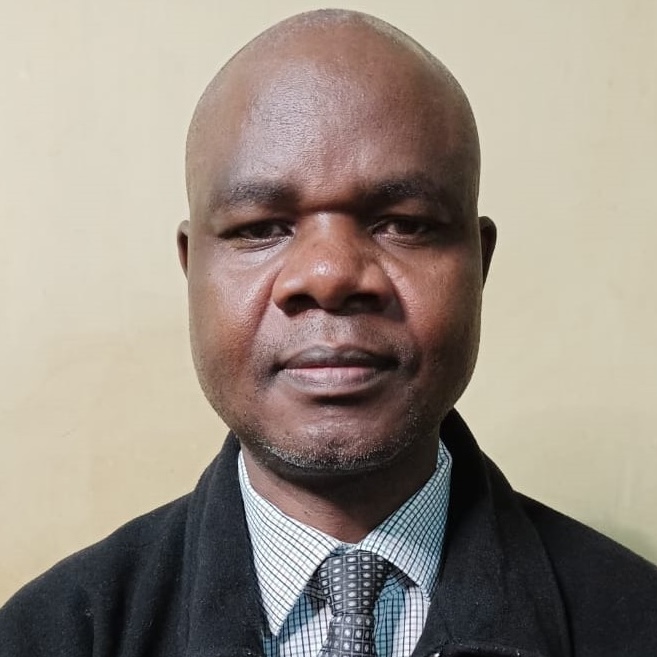 Associate Professor of horticulture at Jomo Kenyatta University of Agriculture and Technology. Member of the Horticultural Association of Kenya (HAK) and the International Society for Horticultural Sciences (ISHS). Publication Manager of African Journal of Horticultural Science (AJHS:
 Dr. Paula Diane Relf earned her Ph.D. in Horticulture from the University of Maryland in 1976, pioneering studies in horticultural therapy. She then served as a Professor and Extension Specialist at Virginia Tech from 1976 to 2003, where she integrated horticultural practices with therapeutic methodologies to enhance human well-being. She remains Professor Emeritus, continuing her influence in the field.
 Researcher – agronomist specializing in agroecological / organic farming approaches for Mediterranean tree crops. Scientific coordinator in several international & regional research projects with special focus on pomology, biodiversity, soil health and climate resilience. Board member of Agroecology Europe Association and moderator of the Greek Agroecological Network. Member of the Agroecology Working Group of EU’s Standing Committee on Agricultural Research (SCAR-EU). Visiting professor in CIHEAM (Sustainable Agriculture MSc program) and other European academic institutions. Manager of an organic olive farm in Greece.
 Julie Sardos is a biologist and geneticist specializing in the characterization and conservation of banana genetic resources. She works within the Banana Research Program at the Alliance of Bioversity International and CIAT, where she is in charge of the molecular characterization of banana accessions at the International Musa Transit Centre (ITC), the world’s largest collection of banana germplasm.
 Dr. Ito is a Deputy Director of the Institute of Fruit and Tea Science of the National Agriculture and Food Research Organization (NARO), which is the Japan’s largest research institute and conducts research and development in a wide range of agriculture and the food industry in Japan.
 Full professor of Pomology at the University of Basilicata, Italy. His research activities focus on: irrigation and nutrition management of fruit trees; ecophysiology of the orchard under abiotic stress conditions; training systems and light interception; carbon and water footprint of agro-ecosystems. Author of more than 350 papers (140 indexed on Scopus, h-index 34), coordinator and unit manager of several European, national and local projects, member of ISHS, served as chairman of the ISHS Working Group -Water Supply and Irrigation. Member of the Italian Society of Horticulture (SOI) and Coordinator of the Working Group on Irrigation. Convener of numerous national and international conferences, including 4 ISHS symposia.
 Kathy Steppe is Bio-engineer, Doctor in Applied Biological Sciences and Full Professor at Ghent University (ORCID: 0000-0001-6252-0704). Since 2008, she guides and manages the UGent Laboratory of Plant Ecology (http://www.plantecology.ugent.be) at the Faculty of Bioscience Engineering. Professor Steppe is specialized in applied plant ecophysiology. She uses an array of plant sensors (commercially available as well as newly, custom-built ones) and medical imaging techniques (microCT, MRI, PET) in combination with mechanistic plant models to study the dynamic responses of trees and crops to their environment. Plant water relations and carbon metabolism are jointly investigated to better understand the dynamic plant-environment interplay. She does not only investigate how plants respond to changes in climate, with a special emphasis on drought, but also how plants create their own microclimate and how this can be used for indoor climate control. This continuous interaction or “cross-talk” between plant and environment takes central stage in her research. Professor Steppe is active in several scientific advisory boards and committees, including the UGent endowed chair Agrotopia, which is a strategic partnership to advance vertical, high-tech urban horticulture and propel implementation of innovation. In her papers, she reports on new discoveries and high-tech developments within the ecophysiological plant research.
 Kenji Kato is an Emeritus Professor at Okayama University, Japan, and used to be the president of the Japanese Society of Breeding (2022-2023). His research career was started as a wheat geneticist and fascinated by fantastic diversity of genetic resources. The research activities were expanded to melon in 1990s, especially focusing on Asian melon. He revealed genetic structure of Asian melon through molecular genetic studies and field researches collaborating with the local scientists. He is currently involved in the PGRAsia project of NARO genebank, by which the unique genetic resources of Southeast Asian vegetable crops become available from the NARO genebank, and established the core collection of melon and cucumber in 2023 and 2024, respectively. He graduated and obtained a Ph.D. from the Faculty of Agriculture, Kyoto University. The professional career started from Kochi University, and thereafter moved to Okayama University.
 Senior scientist at INRAE in Angers (France), he leads the “Genetics and Diversity of Ornamentals” research team at the IRHS (Institute of Research in Horticulture and Seeds). A specialist in rose genetics and genomics, he has made significant contributions to understanding flowering and selection in roses, and coordinated the sequencing of the rose genome.
 Dr. Kotaro Takayama is a professor at both the Department of Mechanical Engineering at Toyohashi University of Technology and the Department of Food Production Science at Ehime University. His research integrates engineering and agriculture, focusing on advanced technologies for plant production systems. He earned his Ph.D. in Agricultural Engineering from the University of Tokyo in 2004. He began his academic career as an assistant professor at Ehime University and was promoted to full professor in 2017. Since 2018, he has also held a cross-appointment as professor at Toyohashi University of Technology. Dr. Takayama has developed several innovative technologies, including a chlorophyll fluorescence imaging robot and a real-time monitoring chamber for photosynthesis and transpiration. These systems are now commercially available in Japan and are used to assess daily growth and physiological activity in crops such as tomatoes, cucumbers, strawberries, and lettuce in greenhouses and plant factories. He has played key leadership roles in national research initiatives, including a Ministry of Agriculture, Forestry and Fisheries project on AI-based greenhouse control (2017–2021), an innovative technology program by NARO (2020–2022), and a Ministry of the Environment project on semi-closed, fully electric greenhouses (2022–2024). He also contributes to startup innovation as a Program Manager for the SBIR program at the Bio-oriented Technology Research Advancement Institution, NARO.
 Dr. Murat Kacira is the director of the Controlled Environment Agriculture Center and interim head of the Department of Biosystems Engineering at the University of Arizona. He received his PhD (2000) and MS (1996) degrees in Food, Agricultural and Biological Engineering from The Ohio State University. His BSc degree (1991) is in Agricultural Engineering from Cukurova University in Türkiye. Murat’s primary focus is on resource-use efficiency of systems through integrated crop and production system sensing and monitoring, modelling and simulation, alternative energy, and environmental control applications. He interacts with stake holders through technical consultations, organizing and presenting in crop production and engineering short courses with hands-on educational workshops and grower conferences, and presenting at national and international conferences. He is a member of the American Society of Agricultural and Biological Engineers (ASABE), American Society of Horticultural Sciences (ASHS) and the International Society for Horticultural Science (ISHS).
 Director, Institute of Vegetable and Floriculture Science, NARO
 Professor at Seoul National University, College of Agricultural and Life Sciences, Republic of Korea. He received a PhD degree in 1998 in aerodynamics and energy in agriculture at the Ohio State University, USA. The major research field of I. B. Lee is Aero-Environmental and Energy Engineering in Agriculture while most of his researches combine experimentation and simulation as well as advanced ICT technologies. He conducts studies on greenhouse structural design with wind loads, natural and mechanical ventilation design of greenhouses, energy saving and renewable energy of greenhouse, urban agriculture, space agriculture, information and communication technology and smart farm greenhouses, Deep learning/Machine learning, Virtual reality (VR) and Digital twins (DT), etc. His research team, Aero-Environmental and Energy Engineering Laboratory(A3EL) is very strong for aerodynamic approaches such as Computational Fluid Dynamics (CFD), Building Energy Simulation (BES), large-sized wind tunnel, particle image velocimetry, etc and actively develops various advanced experimental tools for field experiments. In-Bok Lee has published over 140 peer review papers and over 250 papers in professional journals.
 Dr. Eiji Nitasaka is an Associate Professor in the Biolocigal Science at Kyushu University, Fukuoka, Japan. He also serves as the representative of the Morning Glory Project of the National BioResource Project (NBRP), organized by the Ministry of Education, Culture, Sports, Science and Technology (MEXT), Japan.
 Assistant Professor, Horticultural Science, North Carolina State University, USA.
 Principal scientist at the Division of Vegetable and Flower Breeding Technology Research, Institute of Vegetable and Floriculture Science, NARO, Japan. His research focuses on the development of breeding technology based on the genomic information for ornamental plants.
 Deputy Leader in Institute of Vegetable and Floriculture Science at National Agriculture and Food Research Organization (NARO), Japan. His research mainly focuses on flower senescence and post-harvest technology of ornamental plants. In recent years, he has been working on the molecular mechanisms of petal senescence and developing new techniques for extending flower longevity.
 Professor in the College of Horticulture at the China Agricultural University, China. His main research interests are focused on: (1) Elucidation of the physiological mechanisms underlying postharvest quality deterioration of cut flowers, (2) Functional characterization of the rosa genome and the important genes controlling agronomically and economically valuable traits, and (3) Design and development of novel technologies to improve the yield and quality of cut flowers and reduce the post-harvest losses.
 Dr. Miho Tatsuki is a Principal Researcher at the Division of Fruit Tree Production Research, Institute of Fruit Tree and Tea Science, NARO, and a Professor at the Institute of Life and Environmental Sciences at the University of Tsukuba, Japan. She obtained her doctoral degree in 2001 from Nagoya University, in Agricultural Sciences. Her research is focused on the fruit ripening and postharvest physiology. Dr. Tatsuki is working on understanding the mechanism of fruit ripening using molecular biological and physiological techniques, and developing technologies for maintain the freshness of harvested fruits based on these basic findings.
 Dr Sukhvinder Pal (SP) Singh is a Senior Research Scientist and Institute Director at the New South Wales Department of Primary Industries, Sydney, Australia. His research group studies the sources and routes of microbial contamination in primary production and postharvest environments of fresh horticultural produce and translates this knowledge into industry practice. He champions the adoption of science- and evidence-based standards and best practice in mitigating food safety risks to consumers and industry. His collaborative network extends internationally with a variety of organisations including universities, government agencies, regulators and industry. Dr Singh actively contributes to the profession through his roles as the Vice-Chair of Postharvest and QA Division at the International Society for Horticultural Science and as a Director of the Australian Society of Horticultural Science. He serves on the executive committee of the Australian Association of Food Protection. He also holds the Adjunct Associate Professor position at the University of Newcastle.
 Dr. Pankaj Pathare is an Associate Professor at Sultan Qaboos University in Oman, specializing in postharvest technology and food engineering. With a strong academic background, including degrees from renowned institutions in India and Ireland, he has established himself as a leading expert in his field. Prior to joining SQU, Dr. Pathare served as a researcher at prestigious institutions including Newcastle University in the United Kingdom, Stellenbosch University in South Africa, and the Central Institute of Post-Harvest Engineering and Technology (CIPHET) in India. Dr. Pathare’s research addresses critical challenges in the fresh produce industry, focusing on minimizing mechanical damage, enhancing product quality, and improving energy efficiency. His extensive publication record includes over 100 peer-reviewed articles and numerous conference presentations, earning him international recognition as a keynote speaker. Dedicated to mentoring the next generation of researchers, Dr. Pathare has supervised and co-supervised 18 postgraduate students. His commitment to advancing knowledge in food engineering/postharvest technology is further exemplified by his active involvement in the editorial boards of several leading SCI research journals including Journal Food Quality, Discover Food, Measurement:Food and Frontiers in Sustainable Food Systems. Recognized as a World Top 2% Scientist by Stanford University in 2022, 2023, and 2024, Dr. Pathare’s expertise and contributions have solidified his position as a leading authority in his field.
 Dr. Pramod V. Mahajan is a Senior Scientist and Group Leader at the Leibniz Institute for Agricultural Engineering and Bioeconomy (ATB) in Potsdam, Germany. His research focuses on postharvest technology, particularly controlled and modified atmosphere research for fresh produce. Dr. Mahajan earned his Ph.D. in Post Harvest and Food Engineering from the IIT Kharagpur (India), in 2002. He has held academic and research positions globally, including at University College Cork in Ireland. Over the years, Dr. Mahajan has significantly contributed to the field of postharvest technology. At ATB, Dr. Mahajan leads the Packaging & Storage Working Group, focusing on sustainable packaging solutions, mathematical modelling and sensor development for monitoring fresh produce.
 Associate professor in the Postharvest Engineering Laboratory, Faculty of Agriculture, Tokyo University of Agriculture and Technology. My research interests include quality prediction and safety assessment of agricultural products during distribution in Japan and abroad, and optimization of the distribution environment.
 Professor of Meijo University. He specializes in postharvest technology research, focusing particularly on the development of sustainable (energy-efficient and low-cost) storage technologies. His research aims to suppress senescence in horticultural crops stored at ambient or mildly low temperatures by utilizing abiotic stress such as ethanol treatment and temporary high-temperature treatment. He also conducts basic research to elucidate the mechanisms of quality preservation from a horticultural physiological and biochemical perspective, investigating ethylene, metabolism of internal composition, and genes and transcription factors related to senescence and ripening.
 Associate Professor in the Department of Horticulture at Kasetsart University, Kamphaeng Saen Campus, Thailand. Research primarily focuses on the postharvest biology of tropical horticultural crops, with an emphasis on elucidating chilling injury, internal browning, water core disorder, carbohydrate metabolism, carotenoid metabolism, and volatile biosynthesis. Key crops of interest include durian, aromatic young coconut, pineapple, tomato, papaya, citrus, and holy basil.
 Frédéric Boudon is a senior researcher at CIRAD (French Agricultural Research Centre for International Development) and associated researcher at Inria (National Institute for Research in Computer Science and Automation). He has worked for over 20 years in mathematical modelling and software engineering for plant modelling and phenotyping. He developed and support various open-source software (PlantGL, L-Py, PlantScan3D, etc) and FSP models (V-Mango). He published and has been a reviewer for high-level scientific journals.
 Lead scientist in Fruit Tree research at INRAE, France, Deputy Director of the Genetic Improvement and Adaptation of Mediterranean and Tropical Plants in Montpellier and Division Chair of ISHS. She has modeled branching and architectural development of fruit trees, She develops digital phenotyping for characterising the genetic variability of apple tree architecture and flowering.
 Group Leader of Institute of Vegetable and Floriculture Science, National Agriculture and Food Research Organization (NARO). He holds a Ph.D. degree in Agriculture from Kyushu University, Japan. He has been working on research and development of application software in agriculture, especially vegetable and fruit production.
 Principal Researcher of Pomology, his scientific interest focuses on fruit orchard management with emphasis on the improvement of tree productivity, image recognition of water stress, fruit density, LAI etc. As for tree productivity, he has evaluated the productivity of V shaped peach tree for ten years.
 Leader of Protected cultivation Vegetable and Flower Breeding Group, Institute of Vegetable and Floriculture Science, NARO. His specialist research area is resistance breeding of melon and cucumber crops using DNA markers.
 Senior Researcher in citrus breeding and production group working on the Division of Citrus Research, Institute of Fruit Tree and Tea Science, National Agriculture and Food Research Organization (NARO). In Citrus Research Station, Okitsu, she participates to the management of the largest collection of citrus genetic resources in Japan. Her research experience is mainly on mutation bleeding on fruit trees, particularly in genetic studies of self-compatible mutants of Japanese pear.
 Sandra Correia is a Researcher at the Centre for Functional Ecology (CFE), University of Coimbra, and Director of the Department of Protection of Specific Crops at InnovPlantProtect CoLAB, Portugal. Her research focuses on Plant Biotechnology, particularly plant development through in vitro morphogenic processes, integrating those tools in the ex-situ conservation and propagation of plant genetic resources. Sandra is actively involved in international scientific networks and serves as Chair of the International Society for Horticultural Science Working Group In Vitro Culture and as a Management Committee Member and Working Group Leader in the COST Action CA21157 Copytree.

 Born in Nov.1961, he got his Ph.D degree in Huazhong Agrcultural University in 1987. He has been researching on citrus germplasm enhancement and genetic improvement. He set up the protoplast fusion technology of citrus in China, and then promoted the establishment of a new breeding channel to generate seedless citrus cultivar via cyto-engineering. His has bred citrus new varieties such as the extra-early ‘Zaohong’ and late ‘Zongcheng’ navel oranges, which are commercially grown in the industry now. Recently, the multi-omics research coupled with the exploration of special germplasm mini-citrus in his laboratory, has led to the revealing the key genes for citrus polyembyony, oil-gland formation and fruit color respectively. He was awarded the‘Outstanding International Horticulturist’by ASHS in 2011, and the fellow of ISC (International Society of Citriculture)in 2012.
 Dr. Qu Dongyu studied Horticultural Sciences at Hunan Agricultural University, earned a master’s degree in Plant Breeding and Genetics from the Chinese Academy of Agricultural Sciences (CAAS) in 1986, and completed a Ph.D. in Agricultural and Environmental Sciences at Wageningen Agricultural University in 1996. Since 1986, he has been associated with CAAS, where he served as Vice President from 2001 to 2008. From 2008 to 2015, Dr. Qu was Assistant Governor and Vice Governor of the Ningxia Hui Autonomous Region. In 2015, he was appointed Vice Minister of Agriculture and Rural Affairs.
 Yasuaki Sato is an anthropologist specialised in ethnobotany of bananas. He has conducted fieldworks in Uganda, Papua New Guinea, and Japan for researching the characteristics of cultivation and use of bananas by the people who work with bananas. The findings of this study extend to people’s views of life, nature and the world. He is also collaborating on research on the process of propagation of different banana varieties in Japan and its neighbors. It has implications in a global comparative study of biocultural diversity of bananas.
 Philippe Tixier is a distinguished agroecologist, based in Vientiane, Laos. He graduated in ecology and earned his Ph.D. in agronomical sciences from the Agronomic School of Montpellier. Philippe works at CIRAD, where he focuses on integrating empirical and modelling methods to develop novel agro-ecological systems. His work aims to enhance the sustainability and performance of agricultural systems through innovative approaches such as agroforestry and food web ecology. Philippe has made significant contributions to the field of agroecology, including the development of innovative approaches such as agroforestry and agrosystems that link to food web ecology. Philippe’s work has been widely published in leading scientific journals, and he has been a key figure in several international research collaborations. Philippe’s contributions to the field have been recognized globally, making him a leading voice in agroecology and sustainable agriculture.
 Kaori Komatsu is a professor at Hokkai-Gakuen University in Sapporo, Japan and an ecological anthropologist specializing in the study of food and livelihoods from a cultural perspective. Her research topics include a comparative study of banana farming cultures, shifting cultivation and food culture in the Central African rainforest, and a cultural study of a local market in Okinawa, Japan. She primarily focuses on cooking bananas, exploring the cultural significance of cultivar diversity, the links between cooking methods and food selection, and the role of local markets in food sovereignty.
 coming soon !
 Fernando Garcia Bastidas is a renowned banana researcher and lead scientist at KeyGene, based in Wageningen, the Netherlands. He holds a Ph.D. in plant pathology. He is also known as “Doctor Banana” and has dedicated his career to combating Panama Disease, a devastating fungal infection threatening global banana production. Fernando’s pioneering work in developing banana varieties resistant to Fusarium tropical race 4 (TR4) has been inspiring worldwide to develop new banana varieties under greenhouse conditions. Fernando has spent nearly a decade using “classical” breeding techniques. Fernando is a key figure in international research collaborations aimed at detecting the disease and enhancing the resilience of banana plantations to fungal infections. He as passionate about sharing knowledge on bananas and science and has been featured in various media outlets for his efforts to combat the global banana pandemic.
 Sebastien Carpentier is a bioscience engineer specialised in agriculture and gene biotechnology. He is leading the banana research program of the Alliance of Bioversity International and CIAT. This global research program is working on today’s challenges of climate change, biodiversity loss, environmental degradation, and malnutrition. It delivers research-based solutions that harness agricultural biodiversity and aims to sustainably transform food systems and improve people’s lives. The program manages the world’s largest banana genebank and has renown expertise in banana genetics and conservation, physiology, disease control and agro-ecological management. His personal research focuses on phenotyping the biodiversity of fruit crops and model their interaction with the environment. His research is crucial for prebreeding programs and distributing the crop’s gene pool to improve crop resilience and productivity, particularly in the context of climate change and food security.
 Eri Hayashi serves as president of the Japan Plant Factory Association (JPFA), a nonprofit organization devoted to academic and business advancements in plant factory/controlled environment agriculture (CEA). Before joining the JPFA, Eri worked at a private research institute in Tokyo, specializing in technology advancement for global food production. She has been conducting international field research on plant factories/CEA since 2008. She has a keen interest in technological advances, including phenotyping, in plant factories. She received a Ph.D. from the Graduate School of Horticulture, Chiba University. She is an Associate Member of the Science Council of Japan, and a Member of the Agricultural Academy of Japan.
 Guido Santini is an Officer at the Food and Agriculture Organization of the United Nations (FAO), where he leads a workstream on resilient agri-food systems in city regions. His work focuses on advancing sustainable crop production in urban and peri-urban areas and strengthening short supply chains by enhancing rural-urban linkages. Guido is also a key member of the core team for FAO’s Green Cities Initiative, which promotes sustainable urban development through innovative food systems solutions. Guido holds an MSc in Tropical and Subtropical Agriculture from the University of Florence and the Technical University of Lisbon. With over 20 years of experience in international development (FAO, UNDP), he specializes in food systems, sustainable crop production, and natural resource management, working across Europe, Sub-Saharan Africa, Asia, and Latin America.
 Sayuri Teramoto is a Project Associate Professor in the COI-Next Project at the University of the Ryukyus. With a background in horticulture, agronomy research, and technical extension, she is currently responsible for the development and field implementation of brackish water aquaponics technology within the project. Her research focuses on securing local food production through carbon and water circulation, utilizing plant genetic resources, locally available organic waste, and microbe-based ecosystems.
 He is a professor of floriculture and ornamentals. His major research interests are urban horticulture, and the utilization of organic matter, plant residues for cut flowers, pot flowers and garden flowers. My background is closely related to the field of production, application of ornamentals for our life.
 He is an irrigation engineer. His research focuses on the development and utilization of water resources, especially participatory irrigation management and water-saving irrigation. He is also interested in community-based land management, the Non-Timber Forest Products (NTFPs) value chain and its utilization, and vegetable cultivation in urban and peri-urban areas in West African countries such as Ghana, Burkina Faso, and Mali.
 Giuseppina Pennisi is an Assistant Professor at the Department of Agricultural and Food Sciences at the ALMA MATER STUDIORUM – University of Bologna. With a background in vegetable crops production and hydroponic systems, she is a FAO-UN consultant in urban agriculture projects. She is also involved in two European projects targeting urban agriculture development in African countries.
 Dr. Eiji Goto is a professor at the Research Center for Space Agriculture and Horticulture, Chiba University.
 Prof Dr Leo Marcelis is head of the chair group Horticulture and Product Physiology at Wageningen University, The Netherlands. This group holds a strong position in research and education on vertical farming, greenhouse horticulture and post-harvest quality
 President of the Hydroponic Society of Japan (2024 – current), a nonprofit organization for extending academic knowledges on hydroponics and greenhouse technologies. Research fellow for Science and Technology Policy, Council for Science, Technology and Innovation, Cabinet Office in Japan (2014 – 2016). He is currently working at University of Tsukuba in Japan, professor in Faculty of Life and Environmental Sciences (2020 – current), director of Tsukuba Plant Innovation Research Center (2022 – current).
 Professor Qichang Yang is the Chief Scientist at the Institute of Urban Agriculture, Chinese Academy of Agricultural Sciences (IUA, CAAS), and an Academician of the International Eurasian Academy of Sciences (IEAS). He is also the Director of the Key Laboratory of Intelligent Horticultural Equipment, Ministry of Agriculture and Rural Affairs, China, and the Director of the Belt and Road Agricultural Joint Laboratory of China-Romania.
 Dr. Eiji Goto is a professor at Graduate School of Horticulture, Chiba University, Japan and professor of Research Center for Space Agriculture and Horticulture, Chiba University. He received a Ph.D. in agricultural engineering from the University of Tokyo, Japan. He worked as an assistant professor and associate professor at the University of Tokyo and moved to Chiba University. He was the first researcher in the world to receive a Ph.D. in the research on plant factory with artificial light (PFAL).
 Professor of Agroecology and Sustainable Agri-Food Systems at the Faculty of International Agriculture and Food Studies, Tokyo University of Agriculture. She was a visiting scholar at the University of California, Santa Cruz, where she conducted research in agroecology. She is one of the supervising translators of the textbook Agroecology by Dr. S. Gliessman and has played a key role in introducing agroecology to Japan. Her research examines the ecological and cultural dimensions of agricultural practices and farming systems, with particular emphasis on the role of traditional knowledge and sustainable innovations—including organic farming—in fostering resilient food systems in Southeast Asia and Japan. Her academic interests include exploring human–weed relationships, focusing on local perceptions of weeds and the multifunctional use of ruderal plants in agroecosystems—not only as agricultural resources, but also as food, animal feed, medicinal plants, and materials for art and culture. Her work seeks to integrate scientific research with practical application, bridging the connections between farms and foods, soil and plants, and promoting a holistic approach to global food sustainability.
 Mai is an Assistant Professor at Kyoto University Graduate School of Economics, specializing in rural environmental sociology with a particular interest in agroecological agri-food systems transformations as expressed through de- and re-peasantization in a post-development context, particularly as it relates to the dynamics of food sovereignty. Her research thus far has focused on adaptation strategies of new-entry organic farming communities, and diverse (formal and informal) food economies in Japan, as well as historical dynamics of rural development and transitioning farming practices and food provisioning, particularly looking at access to land, seeds, pesticides, and common pool resources in Japan as well as in Bhutan. Her interests stem from work experience with several NGOs, non-profits and farming communities around the world, including Nepal, Nicaragua and Uganda, dedicated to strengthening agroecological food systems. She holds a PhD in Environmental Studies and a MA in Environmental Management from Kyoto University Graduate School of Global Environmental Studies, and a BA in Geology and Environmental Science from Smith College, in Massachusetts, USA. Before her current post, she was a researcher at the FEAST Project (“Lifeworlds of Sustainable Food Consumption and Production: Agrifood Systems in Transition”) at the Research Institute for Humanity and Nature in Kyoto.
 Professor in Global Development at Cornell University, and does research in Africa on agroecology, gender, climate change adaptation, food security and nutrition. She was a Coordinating Lead Author for the United Nations Intergovernmental Panel on Climate Change report Climate Change 2022: Impacts, Adaptation, and Vulnerability (Chapter 5). Dr. Bezner Kerr also served as a member of the High Level Panel of Experts for the United Nations Committee for World Food Security, coauthoring the 2019 report on agroecology.
 Professor of Agroecology and temperate fruit physiology and culture at the National University of Comahue, Patagonia, Argentina.
 Dr. Bhimu Patil, a Regents Professor and Inaugural Leonard Pike University Professor at Texas A&M University, is renowned for his influential work as Director of the Vegetable and Fruit Improvement Center and USDA National Center of Excellence for Melons. Additionally, he holds the esteemed position of Love Tito’s Endowed Professor at Texas A&M University. With over 258 peer-reviewed publications, Dr. Patil’s research is at the forefront of understanding the comprehensive impacts of bioactives, specifically polyphenols, limonoids and carotenoids, from fruits and vegetables on human health.
 Prof. Min-Hsiung Pan completed his PhD in Biochemistry and Molecular Biology from the College of Medicine, National Taiwan University (1996–2000). He is currently a Distinguished Professor at the Institute of Food Science and Technology, National Taiwan University. The primary research focus of his laboratory is to understand the molecular mechanisms through which natural dietary compounds influence human diseases and carcinogenesis. He has published over 350 journal articles. His current research interests include the discovery and development of novel nutraceuticals that can be used in functional foods and dietary supplements to prevent chronic diseases such as cancer, inflammatory conditions, epigenetic dysregulation, liver fibrosis, and obesity. Prof. Pan has received numerous awards for his outstanding research contributions, including two Outstanding Research Awards from the Ministry of Science and Technology (2011, 2018) and the Ta-You Wu Memorial Award from the National Science Council in 2007 for the implementation of special research projects. In addition, he was named one of the 46th Ten Outstanding Young People the following year. He was recognized as a Fellow of the American Chemical Society in 2014 and a Fellow of the International Academy of Food Science and Technology (IAFoST) in 2024. He also received the Outstanding Research Award from the Taiwan Association for Food Science and Technology in 2018 and the Outstanding Basic Research Award for Cancer Medicine from Dr. Da-Cheng Tung in 2020. Professor Pan is widely recognized for his significant contributions to the academic field. He currently serves as an Associate Editor of the Journal of Agricultural and Food Chemistry.
 Dr Christine Morand studied Biochemistry and Cellular Biology and she received her PhD at the Blaise Pascal University in Clermont-Ferrand, France. She is full research director at INRAe, the French National institute for research on agriculture, food and environment.
 Kentaro Matsumiya is an Associate Professor at Division of Food Science and Biotechnology, Graduate School of Agriculture, Kyoto University, Japan. He experienced a Visiting Research Fellow at School of Food Science and Nutrition, University of Leeds, UK from 2014 to 2015. He is currently serving as an Associate Editor of the “Food Structure” journal. His research has focused on food colloids and food structure mainly in the context of its palatability. He has dealt with processing and storage of food made from soybean, rice, wheat, milk and egg. He recently received Incentive Award from The Japanese Society for Food Science and Technology in 2020 for utilization of microgels in food emulsions and foams.
 Kaeko Murota graduated from Faculty of Agriculture, Kyoto University in 1993, and received a Ph.D degree in Agriculture from Kyoto University in 2001. After working as Assistant Professor at Tokushima University and Associate Professor at Kindai University, she got a position of full professor at Shimane University since 2018. In April 2026, she assumed the position of full professor at the Graduate School of Agriculture, Osaka Metropolitan University. Her research interest is the bioavailability of dietary polyphenols and their interaction with dietary lipids. In 2019, she received JSBBA Research Award for Woman Scientists by Japan Society for Bioscience, Biotechnology and Agrochemistry, for her recent research on “Structural characterization of dietary flavonoids involved in their bioavailability and identification of their in vivo metabolites.” Recently, she has been working on the effective utilization of agricultural wastes from local products as well as the evaluation of reagional specialty agricultural products. Prof. Murota is the president of Japanese Society for Food Factors (JSoFF) since 2024, and will organize the 9th International Conference on Food Factors (ICoFF) in 2026 in Japan.
 “Profesor Mariusz Piskuła is working for the InLife – Institute of Animal Reproduction and Food Research, Polish Academy of Sciences, specializing in food science and technology. Low molecular antioxidants of plant origin hold a strong position among phytochemicals of interest as well food processing modification aimed at preserving phytochemicals beneficial to health with focus on coloured vegetables. Substantial part of scientific activity is linked to bioavailability studies of food polyphenols in animals and humans. Recent research is focused on flavonoids, anthocyanins and betalains as well transport of their metabolites through biological barriers and tissues accumulation, especially in human milk and in cerebrospinal fluid. His work continues to influence both academic research and the food industry, with a focus on improving human health through a better understanding of food compounds transformation during processing. Prof. Piskula’s expertise has earned him international recognition. He is member of the International Academy of Food Science and Technology as well of the Polish Academy of Sciences. Throughout his career, he has been involved in the global scientific community. He served on the Governing Council and currently on Nominations Committee of the International Union of Food Science and Technology.
 Zhongchi Liu is a distinguished professor at the Faculty of Synthetic Biology, Shenzhen University of Advanced Technology (SUAT). She is also a member of the Shenzhen Institute of Emerging Agricultural Technology at SUAT. Prior to her current roles, she was a tenured full professor at the University of Maryland, USA. Liu is internationally recognized for her expertise in developmental biology, particularly in the molecular genetics of fruit development in strawberries. She has built extensive molecular genetic tools and genomic resources for wild strawberries, contributing significantly to the understanding of fruit development, fruit type diversity, auxin synthesis and signaling in fruit and seed development, and mechanisms of asexual reproduction in strawberries. Throughout her career, Liu has published 120 SCI articles in esteemed journals such as Nature, Genes & Development, Nature Communications, The Plant Cell, and PNAS. She holds editorial positions with The Plant Journal and Frontiers in Plant Science: Plant Evolution and Development. Liu earned her Ph.D. and M.A. in Cell and Developmental Biology from Harvard University, and her B.Sc. in Microbiology from Wuhan University. Her research interests include the molecular mechanisms of strawberry fruit development and asexual reproduction, synthetic biology applications in modifying strawberry traits for vertical farming, and the use of plant
 Spent childhood in Thailand and Indonesia. Graduated from the Faculty of Agriculture, The University of Tokyo, and obtained a Ph.D. from the Graduate School of Agricultural and Life Sciences, The University of Tokyo. After conducting research at the National Agriculture and Food Research Organization (NARO) on the integration of statistics, information science, and agriculture, appointed as an Associate Professor in the Laboratory of Biometry and Bioinformatics, The University of Tokyo, in 2010, and promoted to Professor in 2023. Currently engaged in research on enhancing breeding efficiency through the integration of genomic science and information science, strengthening plant-microbe interactions through breeding, and improving efficiency in agriculture and forestry using remote sensing.
 Zach Lippman is a Professor of Plant Biology at Cold Spring Harbor Laboratory and a Howard Hughes Medical Institute Investigator. His group studies flower and fruit production in nature and agriculture, focusing on tomato and related crops and their wild ancestors in the nightshade family. Taking advantage of natural and engineered genetic diversity, Lippman’s research has revealed how variation in the genes that control the proliferation and maturation of stem cells underlie diversity in vegetative and reproductive shoot systems. These findings have led to fundamental questions on how variation in the sequences that control both the activity and functions of genes, and also how these mutations interact, influence the development, domestication, and breeding of crops. Based on these discoveries, Lippman is bringing new tools, approaches, and principles to improve predictability in crop engineering. His contributions to plant biology and agriculture were recognized with a MacArthur Fellowship, the National Academy of Sciences Award in Food and Agriculture, and election to the National Academy of Sciences.
 Sachiko Isobe started her career as a conventional red clover breeder in 1997. She earned her PhD from the United Graduate School of Agricultural Sciences, Kagoshima University, in 2006. From 2007 to 2024, she worked at the Kazusa DNA Research Institute, focusing on plant molecular genetics and genomics. Her research included de novo whole genome sequencing, molecular genetics, database construction, and digital phenotyping for plants. Additionally, she led the Lab of Plant DNA Analysis, which provided contract-based services such as genome analysis of cultivated plants and related microorganisms, and the development of practical technologies for their analysis.
 Byoung-Cheorl Kang is a professor at Seoul National University, holding positions in the Department of Agriculture, Forestry, and Bioresources, and the Vegetable Research Center. He earned his MSc (1990) and Ph.D. (1999) from Seoul National University. From 2000 to 2003, he served as a Post-doctoral Fellow, and from 2003 to 2005, as a Research Associate at Cornell University, USA. His research focuses on developing genetic resources for molecular breeding of vegetable crops, with a particular emphasis on the genus Capsicum. A key research area in his lab is the identification of genes that regulate disease resistance and secondary metabolite biosynthesis in peppers, utilizing various genomic tools and gene editing. Professor Kang has published over 160 peer-reviewed papers in international journals, including Plant Biotechnology Journal, and Plant Journal.
 Dr. Anna Rosberg is a researcher and senior lecturer at the Swedish University of Agricultural Sciences. Her expertise lies in horticultural sciences, with a focus on microorganisms connected to horticultural produce and production systems. Her research interests encompass a wide range of areas, including plant pathogens in hydroponic production systems, microbial food safety in leafy greens, biological control, irrigation water quality, the prevalence of antibiotic resistance genes related to the use of manure, and biological soil health aspects. Since 2018, her research has focused on organic greenhouse production of vegetables, with a special emphasis on soil health related to crop diversification in the production system. She is currently investigating the effects of crop rotations on soil microbial community composition and functionality in organic greenhouse production. In January 2024, she was appointed chairperson of the Organic Greenhouse Horticulture working group within ISHS. Other assignments connected to her research include serving as an appointed researcher within the SLU Centre for Organic Food and Farming, with responsibility for plant protection in organic horticulture, and she also serves as an Associate Editor for the International Journal of Vegetable Science.
 Dr.Yasunaga Iwasaki is a researcher and academic currently affiliated with Meiji University. His expertise lies in the field of agricultural science, with a specialized focus on horticulture, soil science, and plant nutrition. His research interests encompass a wide range of areas, including environmental control in horticulture, soilless culture, and the development of sustainable agricultural practices. 4 He has made significant contributions to the field through his extensive research and publications, which have been featured in numerous academic journals and conferences. Dr. Iwasaki’s work is characterized by its innovative approach and its commitment to advancing the field of agricultural science. He is a highly respected member of the academic community and is dedicated to educating and mentoring the next generation of agricultural scientists.
 Dr. Silke Hemming is a senior scientist at Wageningen University & Research (WUR) specializing in greenhouse technology and controlled environment agriculture. With a focus on optimizing plant growth and resource efficiency, her research explores innovative lighting strategies, climate control systems, and sustainable cultivation practices. Dr. Hemming leads interdisciplinary projects aimed at developing cutting-edge solutions for the horticultural industry, addressing challenges related to food production, energy consumption, and environmental impact. Her expertise encompasses the integration of sensor technology, data analysis, and modeling to create intelligent growing systems. She is actively involved in international collaborations and knowledge dissemination, contributing to the advancement of sustainable horticulture worldwide. Dr. Hemming holds a PhD in Agricultural Engineering from WUR and has authored numerous publications in peer-reviewed journals and industry reports.
 Toshiyuki WAKI is an Assistant Professor at Tohoku University, he specializes in plant secondary metabolism, particularly in the biosynthesis of flavonoids as natural colorants in plants. His research investigates the formation of metabolons—dynamic enzyme complexes that facilitate efficient biosynthetic flux by associating metabolic enzymes into proximity, thereby enhancing reaction specificity and metabolic efficiency. Understanding metabolon formation is crucial for unraveling the regulatory mechanisms of plant secondary metabolism and has potential applications in metabolic engineering and synthetic biology. In his recent studies, Waki identified the genes encoding carthamin synthase, peroxidase homologs that catalyze the final enzymatic step of carthamin biosynthesis in safflower (Carthamus tinctorius), a species widely used in textile dyeing, food colorants, and traditional medicine. Additionally, he has made significant contributions to elucidating the evolution and function of chalcone isomerase-like proteins, which play a key role via protein-protein interactions with chalcone synthase in the biosynthesis of flavonoid-based natural colorants. This discovery advances the understanding of flavonoid-derived natural colorant biosynthesis.
 Ryosuke MUNAKATA is an Assistant Professor at Kyoto University. He received his Ph.D from Graduate School of Agriculture at Kyoto University, where he has studied the molecular mechanisms of biosynthesis of pharmacologically active metabolites in medicinal plants and horticultural species. He spent for almost three years as a postdoctoral fellow at Universite de Lorraine to develop his basic research on plant specialized metabolism and also studied metabolic engineering to produce bioactive phytochemicals in microbes through synthetic biology. In addition to biosynthesis, now he is working on transport and accumulation of lipophilic phytochemicals in plants to better understand plant specialized metabolism. He served two years as a Budding Editor of the journal Plant and Cell Physiology and is also a board member of Japanese Society for Plant Biotechnology.
 Chair Professor Hong-Hwa Chen graduated from the Department of Microbiology at Michigan State University, USA in 1991. She has been a faculty at National Cheng Kung University for more than 30 years teaching Cell Biology, Genomics, and Orchid Biotechnology since 1994. She has visited France, the United States, South Korea, and mainland China for short-term study visits several times. So far, she has published more than 60 academic journal articles with high-impact factors, 14 book chapters, 11 domestic and USA patents, and 2 technology transfers, and edited and published 4 Orchid Biotechnology books from volumes I to IV via World Scientific Publishing Co., Singapore. In addition, she has completed the whole genome sequence of Phalaenopsis equestris with international cooperation and published it in Nature Genetics in 2015. Her research focuses on the aesthetic traits of Phalaenopsis orchids, including floral color, floral scent as well as disease resistance against Fusarium pathogens. She has been invited as the keynote speaker sharing floral scent biology in 3 international conferences, including the 2018 European Orchid Conference in Paris, France; the 2018 International Symposium on Evolutionary Genomics and Bioinformatics, Taipei, Taiwan; and the 2017 From Fundamental Research to Medical Applications Symposium in Singapore.
 Kazufumi Yazaki received his Ph.D. degree from the Graduate School of Pharmaceutical Sciences of Kyoto University under the supervision of Prof. M. Tabata (1988). He was appointed Assistant Professor at the Faculty of Pharmaceutical Sciences of Okayama University in 1986. As an Alexander von Humboldt Fellow (1989-1991), he conducted postdoctoral research at the University of Bonn under Prof. E. Leistner, and then in the laboratory of Prof. K. Hahlbrock at the Max-Planck-Institute in Cologne, Germany. He moved to Kyoto University as an Assistant Professor in the Faculty of Pharmaceutical Sciences in 1992, and became an Associate Professor in the Faculty of Agriculture of Kyoto University in 1996. He was promoted to Professor in the Wood Research Institute in 2002, and the Institute was reorganized to become the Research Institute for Sustainable Humanosphere. He became Professor Emeritus of Kyoto University in 2024.
 Matteo Busconi is Associate Professor of Agricultural Genetics at the Università Cattolica del Sacro Cuore, Milan, Italy. He is Director of the Research Centre for Biodiversity and Ancient DNA, an interdepartmental research centre, involving researchers with different expertise, of the same University. He carries out research activities mainly in the field of Agricultural Genetics for the characterisation of genetic resources, identification of genes of interest and the development of traceability methods for plant derived food products. He has many years of experience in coordinating or participating in research projects of regional, national or international interest. Among the main research interests, it is possible to cite: study of genetic and epigenetic variability of crops as maize, rice, tomato, bean, saffron, olive, apple, pear, almond, walnut, grapevine and sorghum; study of the genetic variability of species of naturalistic interest as strawberry tree, Taxus baccata L. and Saxifraga tombeanensis (Boiss. ex Engl., 1869); transcriptomics analysis for gene expression analysis in tomato, grapevine and maize; traceability of plant derived products with a main focus in saffron, wine, cocoa and vegetables. He is author of more than 60 publications on international and national journals.
 Professor Dr. Matsushita majors in Farm management and farmer’s decision making as his main research fields. Prof. Matsushita had been working in National Agricultural Experiment Station administrated by Ministry of Agriculture, Forestry and Fisheries as a researcher. And he also had been in Division of Financial Management, Agriculture Forestry and Fisheries Finance Corporation in Japan. Prof. Matsushita received his Ph.D. degree in Agricultural Sciences from Okayama University, Japan in 2002. After these careers, Prof. Matsushita was appointed as professor in University of Tsukuba and Kyoto University in Japan. Now he is making research work in the fields of developing “Decision support system for farmers with stochastic programming methods” and majored in Risk management, Extension and Diffusion related to farmers’ technological investment.
 Srinivasan Ramasamy (India) received a PhD in Agricultural Entomology from Tamil Nadu Agricultural University, India / Asian Vegetable Research and Development Center, Taiwan in 2003. Since 2005 he has led the Entomology Group at the World Vegetable Center. His professional interests include host-plant resistance, chemical ecology of insect pests, biological control, and molecular entomology. As a member of the WorldVeg Plant Protection and Breeding Team, he received the International Plant Protection Award of Distinction from the International Association for the Plant Protection Sciences. Dr. Srinivasan is an active member in professional societies / networks such as Royal Entomological Society, Society for Invertebrate Pathology, Entomological Society of America, International Association for the Plant Protection Sciences, New York Academy of Sciences, and International Society of Chemical Ecology. He has more than 60 peer-reviewed journal publications and book chapters, two field guides and a Conference Proceedings to his credit.
 Prof. Yuling Bai is a distinguished scientist in plant breeding, currently serving as a Professor at Wageningen University & Research (WUR) in the Netherlands. She earned her PhD from Wageningen University, where she has developed a robust research portfolio focusing on plant-pathogen interactions and the genetic mechanisms underlying disease resistance in crops. Since September 2024, she is the interim Chair of Plant Breeding of WUR.
 Dr. Pasquale Tripodi is a distinguished plant geneticist and breeder, currently serving as Research Director at the Council for Agricultural Research and Economics (CREA), Research Centre for Vegetable and Ornamental Crops in Pontecagnano, Italy. He earned his Ph.D. in Plant Breeding and Genetics from the University of Naples, Faculty of Agriculture, where he specialized in genetic improvement and horticulture.
 Prof. Masayoshi Shigyo is a distinguished professor in the College of Agriculture, Graduate School of Sciences and Technology for Innovation at Yamaguchi University, Japan, specializing in vegetable crop science. His research primarily focuses on developing high-efficiency and value-added production systems within plant factories, as well as breeding novel vegetable varieties that are resilient to the effects of global warming.
 Dr. Olga Scholten serves as the Scientific Director of the Topsector Horticulture & Starting Materials and the Coordinator external collaboration at Wageningen University & Research (WUR) in the Netherlands.
 Dr. Ferdinando Branca is a Professor at the Department of Agriculture, Food, and Environment (Di3A) at the University of Catania, Italy. He earned his Ph.D. in Crop Productivity in 1991 and has been with the University of Catania since 1992.
 Prof. Masao Watanabe is a distinguished plant molecular geneticist and breeder, currently serving as a full Professor at the Graduate School of Life Sciences, Tohoku University, in Sendai, Japan. He earned his Doctor of Agriculture degree from Tohoku University.
 Dr. Hikaru Tsukazaki is a prominent researcher specializing in vegetable crop science, currently serving as the Manager of the Division of Field Cropping and Horticulture Research at the Tohoku Agricultural Research Center, National Agriculture and Food Research Organization (NARO), Japan. He also holds a position at The United Graduate School of Agricultural Sciences, Iwate University, since April 2018.
 Professor Singh is an internationally renowned scientist and his original and outstanding contributions to research and innovation, research training and teaching in horticulture have been recognised by various international and national research and teaching awards. Singh is a Fellow American Society for Horticultural Science, a Fellow Indian Academy of Horticultural Sciences, and Vice-Chair Division of Tropical and Subtropical Fruit and Nuts of the International Society of Horticultural Science (ISHS). He has been a member of ISHS for over 30 years.
 Dr. Kozai has been a member of ISHS for over 20 years and is also a member of the Japanese Society for Horticultural Science. She has been conducting research for over 20 years to improve cultivation techniques for temperate and tropical fruit trees, particularly clarification the mechanism of fertilization and fruiting, and has made significant contributions to the industry. She has been involved in research on stable production of durian and other tropical fruit trees and improvement of low tree height cultivation techniques in a project conducted in Thailand. She also joined agricultural projects aimed at improving livelihoods in the Indochina region. Her achievements have been recognized by the Japanese Society of Tropical Agriculture. Currently, she is mainly involved in research on stable fruiting of tropical and subtropical fruit trees in Japan.
 Dr. Shingo Goto is a distinguished scientist in citrus research, renowned for his extensive contributions to the field of citrus genomics and breeding. His pioneering work revealed the genomic mechanism of male sterility in citrus. He also applied this mechanism to marker-assisted selection in seedless citrus breeding. These achievements have been recognized internationally, and he received the Best Poster Presentation Award at ICC 2024. Currently, he is focused on developing genome editing technologies for citrus, following his research as a visiting researcher at the University of Florida.
 Prof. Sanjay Kumar Singh is the Deputy Director General (Horticultural Science) at the Indian Council of Agricultural Research and former Director of the ICAR-Indian Institute of Horticultural Research, Bengaluru. He earned his B.Sc. (Ag.), M.Sc., and Ph.D. in Horticulture from the Institute of Agricultural Sciences, Banaras Hindu University, Varanasi, with Gold Medal distinctions. He completed his postdoctoral research under the DBT Overseas Fellowship at the University of Florida, USA (2008-09), focusing on tropical fruit biotechnology.
 Dr. Keisuke Nonaka is the group leader of the Citrus Research Division at NARO. He received his master’s degree at Tokyo University of Agriculture and Technology in 2002 and his PhD in 2005. He has been engaged in citrus breeding at NARO from 2006 and has been leading NARO’s citrus breeding program since 2019.
 Dr. Shu-Yen Lin is an emerging leader in tropical and subtropical fruit tree research in Taiwan, recognized for her pivotal contributions to revitalizing native Taiwanese citrus and promoting the sustainable development of Taiwan’s citrus germplasm. Specializing in metabolomics analysis, particularly in aroma profiling, she has advanced the classification and identification of wild citrus populations and developed stress-response indicators to manage the impact of environmental factors on aroma-related metabolites. Additionally, Dr. Lin is actively developing high-resolution sensing systems for the fruit tree industry, unlocking the potential of precision agriculture and smart farming.
 Po An Chen is a researcher at the Agricultural Technology Research Institute (ATRI) in Taiwan. He received his Ph.D. from the Department of Horticulture at National Taiwan University, where he studied physiological models of horticultural crops, including branch growth, dormancy, and flowering. During his time at ATRI, he has conducted research on the biosynthesis of aromas in various horticultural crops and developed electronic nose sensing technologies, focusing on tea, coffee, citrus, orchids, and medicinal plants. He has also explored the effects of cultivation techniques (such as fertilization management, light quality and quantity, temperature, and planting substrates) on the bioactive chemical compounds in plants. He served as a guest editor for the journal Horticulturae and is also a board member of the Taiwan Association of Sensory Science and Technology International (TASSTI).
 Mahmoud Sharafeldin is a member of International Society for Horticultural Science (ISHS), served as plant production expert, at Ministry of Environment, Water and Agriculture (MEWA) with responsibility for Plant Production Technologies and Agricultural Research and Extension. Prior to joining MEWA, Professor Sharafeldin worked in academic teaching and research at several institutions, in different countries including Germany, USA, KSA, ARE, and UK. Professor Sharafeldin received PhD from Technische Universität München. Mahmoud Sharafeldin is serving as Vice-Chair of the ISHS-Workgroup Saffron and served as elected Chairperson of the ISHS-Workgroup Moringa.
 Satoru Kondo is a researcher specializing in fruit tree science, with a particular focus on plant physiology and growth regulation. He earned his Ph.D. from the University of Tsukuba, Japan. Over the course of his career, he has held positions at the Akita Fruit Tree Research Station, Hiroshima Prefectural University, and the Graduate School of Horticulture at Chiba University. In 2024, he joined the School of Agro-Industry at Mae Fah Luang University in Thailand. His contributions to the academic community include serving as Editor-in-Chief of the Journal of the Japanese Society for Horticultural Science (2012–2014), Chair of the ISHS Symposium Plant Bioregulators in Fruit Production (2014–2017), and Editor-in-Chief of Scientia Horticulturae (2016–2023). He currently serves as an Associate Editor. Dr. Kondo has published approximately 200 research papers in his field, contributing significantly to the advancement of fruit tree science.
 Dr. Kawakami graduated from Utsunomiya University in 1983 under the supervision of Dr. Naoki Yamamoto on the role of stored mRNA in light induced germination of black pine seeds. He obtained his PhD from Nagoya University in 1988 working under Dr. Akira Watanabe on gene expression during radish leaf senescence and discovered upregulation of cytoplasmic glutamine synthetase gene expression in relation to nitrate recovery from senescing leaves. He started to work as an assistant professor on wheat seed dormancy and pre-harvest sprouting at Kihara Institute for Biological Research, Yokohama City University in 1988. He worked with Dr. Kazuhiko Noda and reported importance of abscisic acid (ABA) metabolism and sensitivity for grain dormancy development and pre-harvest spouting resistance. He moved to Meiji University in 1997 and shifted his main work to seed response to temperature to understand molecular mechanism of seed dormancy and germination. His group has been taken molecular genetic and chemical genetic approaches with Arabidopsis and illuminating phytohormone regulation mechanism by internal dormancy and external temperature. Recently, his group elucidated molecular function of rice and wheat dormancy QTL genes in Arabidopsis in collaboration with breeding scientists. He has been a member of International Society for Seed Science and appointed as a regional representative of Japan from 2019. He chaired the 6th Plant Dormancy Symposium in 2018 at Kyoto and facilitated discussion between seed and bud dormancy researchers.
 Dr. Horvath graduated from Purdue University in 1984 after working under Dr. Jeff Bennetzen on screening for stress sensitive mutator lines. He obtained his PhD from Michigan State University in 1993 working under Dr. Mike Thomashow where he assisted in cloning and characterizing the first cold induced genes from plants. He then took a post-doc position with the USDA-ARS in Fargo ND working on identifying molecular markers associated with durable stem rust resistance working under Dr. Lynn Dahleen. He was then hired as a full-time scientist for the USDA-ARS where he spent the first 20 years of his career working on bud dormancy and stress tolerance in the perennial invasive weed leafy spurge and was one of the first two groups to clone and characterize DORMANCY ASSOCIATED MADS-BOX genes. He has since begun investigating freezing tolerance and deacclimation resistance in oilseed crops such as canola and camelina where he cloned the first gene shown to reduce the rate of deacclimation in canola and arabidopsis and to investigate the association between FLOWERING LOCUS C and freezing tolerance in camelina. He is also actively investigating crop-weed interactions using transcriptomics and mutation analyses and has helped develop a new paradigm for how weeds reduce crop yields in well-managed agricultural settings.
 Dr. Kotoda graduated from the University of Tokyo in 1993 under the supervision of Prof. Dr. Kenji Mori on organic synthesis of the pheromone of an insect. He obtained his MS from the University of Tokyo in 1996 working under Prof. Dr. Haruo Seto on screening of natural products that reduce glutamate neurotoxicity using neuro hybridoma cell lines and hippocampal primary cells of mice. He started to work as a researcher on apple breeding at the National Institute of Fruit Tree Science in Morioka, Iwate, in 1996. He then obtained his Ph.D from the University of Tokyo in 2005 under the supervision of Prof. Dr. Tadakatsu Yoneyama on flowering mechanism of apples. After 12 years of expertise of handling deciduous fruit trees such as apple, pear, cherry, blueberry, etc., he studied parthenocarpy and GA function of citrus for five years in Okitsu, Shizuoka. He also worked with Drs. Roger Hellens and Erika-Varkonyi Gasic on the flowering mechanism of fruit trees at Plant and Food Research in Auckland, New Zealand from 2009 to 2010. Since he moved to Saga University in 2013, he has studied physiology and genomics of citrus using a variety of citrus germplasms and wild species. Recently he is interested in natural products including health ingredients in tree fruits like citrus.
 Dr. Varkonyi-Gasic received her BSc and MSc degrees from the University of Belgrade, Serbia. As a research associate at the Institute of Molecular Genetics and Genetic Engineering in Belgrade, she contributed to the characterization of buckwheat seed storage proteins. She then moved to New Zealand in 1995 to study plant development and responses to environmental signals at AgResearch Grasslands, Palmerston North. Her study of a white clover early nodulin gene earned her a PhD from the University of Belgrade in 2001. Following this, she joined the biotechnology company Genesis Research and Development in Auckland, New Zealand, as a scientist investigating mobile RNAs and long-distance communication in plants. For the past 19 years, Dr. Varkonyi-Gasic has worked at Plant & Food Research and its predecessor, HortResearch, studying the developmental and environmental regulation of vegetative and reproductive phenology in horticultural species. Her current research applies biotechnology to accelerate the breeding of woody perennials, including apple and kiwifruit. Under her leadership, gene editing in kiwifruit was successfully established, paving the way for the development of climate-resilient plants.
 Dr. Erin Rosskopf has been working for over 25 years on alternatives to methyl bromide leading research on a series of biological solutions (bio-herbicides, vegetable grafting, biofumigation, soil solarization, and anaerobic soil disinfestation) meant to manage weeds and other soilborne pests and pathogens. She has worked closely with industry representatives and vegetable and in-ground ornamental producers assessing the efficacy and feasibility of alternatives to MeBr. Currently she leads research on anaerobic soil disinfestation for vegetable and small berry production systems in the southeast of the US, evaluating its efficacy against soilborne pests.
 Dr. Takahashi completed his Master’s degree in Department of Agricultural and Environmental Biology at the University of Tokyo in 2014. The same year, he joined the NARO Institute of Vegetable and Floriculture Science as a researcher, focusing on broccoli production system. He earned his Ph.D. from the University of Tokyo in 2020. From 2021 to 2023, he served as a technical officer at the Ministry of Agriculture, Forestry and Fisheries, working in both the Secretariat of AFFRC and the Horticultural Crops Division. In 2023, he returned to NARO as a Senior Researcher, and in 2024, he also became an Associate Professor in the Agricultural Science Program at the University of Tsukuba.
 Dr. Sato began his career in 1995 at the Vegetable and Tea Research Station, now part of NARO. From 2005 to 2006, he was dispatched to Wageningen University in the Netherlands. Upon returning, he served as a Senior Researcher in NARO’s Planning and Coordination Division until 2008.
 Dr. Kazuyoshi Nada is a professor at Mie University, Japan (https://www.bio.mie-u.ac.jp/en/). He served as an editor or a senior editor of the vegetable section for the Horticulture Journal from 2016 to 2025. Additionally, he was as a managing editor of Horticultural Research (Japan) from 2010 to 2013 and a member of the symposium committee for the JSHS from 2014 to 2016. At IHC2026, he is a member of the publication committee.
 Dr. Francesco Di Gioia is Associate Professor of Vegetable Crop Science in the Department of Plant Science at The Pennsylvania State University.
 Professor
 Professor
 Tom Bennett has been a group leader at the University of Leeds since 2016. His research focuses on the mechanisms that plants use to optimise the root and shoot growth with respect to prevailing environmental conditions. One key focus of his research is understanding how end-of-flowering and total reproductive effort are coordinated by resource availability and environmental signals. He did his PhD at the University of York (2002-2006) working with Dame Professor Ottoline Leyser, before undertaking post-doctoral research at the University of Utrecht (2007-2010) and University of Cambridge (2010-2016).
 Dr. Masahiro Kanaoka got Ph. D. at Graduate School of Science, Kyoto University, for genetic and developmental biology of pollen grains in 2006. After post-doc work of stomatal development at Department of biology, University of Washington, he had been working as an Assistant Professor and a tenured Lecturer at Graduate School of Science, Nagoya University. Since 2022, he has been a Professor at Department of Life Science, Prefectural University of Hiroshima.
 Hisayo Yamane is a professor at the Laboratory of Pomology, Graduate School of Agriculture, Kyoto University. Her research focuses on the reproduction biology of fruit trees and phenology characteristics (winter bud dormancy and fruit ripening) of temperate fruit trees especially Rosaceae fruit trees and blueberry. One key focus of her research is understanding genetic and epigenetic regulations on bud dormancy and chilling requirement for dormancy release and bud break. She received her PhD at the Kyoto University (2003) and stayed at Cornell University as postdoc (2003-2004), working with Prof. Jocelyn Rose and studied about Prunus self-incompatibility.
 Dr. Avi Sadka has been a senior research scientist at the Agricultural Research Organization, The Volcani Institute, since 1995, and also serves as an adjunct professor at the Hebrew University of Jerusalem. As a plant physiologist specializing in citrus and other fruit trees, his research focuses on various aspects of plant growth, development, and responses to external stimuli.
 Yulin Fang, Professor and Vice President of Northwest A&F University (China). He has successively served as the Dean of the College of Enology, the Dean of the Institute of Science and Technology Development, the Vice-Director of the China Wine Technical Committee, and the President of the Grape and Wine Branch of the Chinese Society for Horticultural Science. Prof. Fang focuses on wine grape quality regulation, grape germplasm resource exploration and new variety breeding, mechanisms of wine grape development under abiotic stress, grape and wine flavor chemistry, and simplified cultivation technology for wine grape. In recent years, he has made outstanding achievements in the technical innovation chain covering the whole industry, including precise quality regulation of wine, mining of regional varietal flavors, abiotic stress physiology and resistance cultivation, grape quality improvement after flood and drought disasters, and standardization of wine grape production. All his research activities has significantly contributed to the grape and wine industry in the arid and semi-arid regions of Northwest China, as well as to the whole national grape industry.
 Simone Diego Castellarin is a Professor and the co-Director of the Wine Research Centre at the University of British Columbia, Vancouver, Canada. He has received his Ph.D. (2007) in Agricultural Science and Biotechnology from the University of Udine, Italy. His research focuses on viticulture and grapevine physiology. Particularly, it considers the physiological and molecular aspects that underlay ripening and the biosynthesis of secondary metabolites in grapes, and how they are modulated by the environment and viticultural practices. Prof. Castellarin’s laboratory currently uses a multidisciplinary approach that combines field and greenhouse experiments, and targeted and untargeted analyses of metabolites and transcripts. The laboratory has a robust partnership with top scientists in the field of viticulture, grapevine physiology, and applied genomics in North America and Europe. His research is shaped by his agriculture-oriented background and considers those aspects of grapevine physiology that are relevant for improving fruit quality in vineyards.
 Jinggui Fang works as a professor and the director of the Fruit Crop Variety Promotion and Seedling Propagation Engineering Center of Jiangsu Province in Nanjing Agricultural University, China. His research mainly focuses on evaluation of grape genetic resources, development of genotype identification strategies using DNA markers, grape genomics, genetics and breeding, grape development biology, the formation mechanism of some phenotypic and inner quality traits, such as skin color, berry shape and sugar etc. He also engaged in much extension job to the management practice both of table and wine grape vineyards.
 Giovanni Battista Tornielli is a Full Professor of Viticulture at the University of Padua (Italy). He graduated in Agricultural Sciences at the University of Padua, and obtained his PhD in 1999. Until 2002, he carried out post-doctoral research in agricultural genetics at the University of Verona, and as a visiting scientist at the Vrije University of Amsterdam (The Netherlands). In 2018, he became an Associate Professor of General Arboriculture and Tree Crops at the University of Verona, and in 2023 he moved to the University of Padua as a Full Professor in the same field. He teaches and has taught various courses in undergraduate, graduate, and PhD programs, mostly dedicated to the molecular biology, physiology, and cultivation of grapevines. His research activity covers the themes of grape ripening and postharvest withering physiology, with particular attention to the effects of environment and agronomic practices and the underlying molecular mechanisms. This research work is documented by a significant number of publications in high-impact international journals. Prof. Tornielli also serves/has served as an editor for leading journals, including Horticulture Research, Frontiers in Plant Science, and Horticulturae, contributing to the dissemination of innovative research in fruit tree physiology and molecular biology. He is a member of the Italian Academy of Vine and Wine.
 Akifumi Azuma is the Leader of the Grape and Persimmon Breeding Group at the Institute of Fruit Tree and Tea Science, National Agriculture and Food Research Organization (NARO), Japan.
 Dr. David Bryla is a research horticulturist and lead scientist with the USDA-ARS Horticultural Crops Production and Genetic Research Unit in Corvallis, Oregon, USA. Dr. Bryla graduated from Pennsylvania State University with a BS in Biology in 1987 and a MS in Ecology in 1989 and completed his PhD in Plant Biology at the University of California, Davis in 1994. He joined the USDA in 1999. Dr. Bryla has authored more than 150 scientific publications over his career and is recognized internationally for his research on water and nutrient management of horticultural crops. He compiled the most complete work to date on irrigation and fertigation of blueberries and other small fruits. He also led a team to identify temperature thresholds for heat damage in blueberries and is continuing to develop techniques for mitigating heat stress in the flowers and fruit. Dr. Bryla is a Fellow of the American Society for Horticultural Science and serves as assistant editor for HortScience and an associate editor for Irrigation Science and Frontiers in Plant Science.
 Associate professor of Horticulture at Utsunomiya University in Japan. He is a plant (molecular) physiologist whose main interest is the flowering mechanisms of the genus Fragaria, especially wild species, as well as the evolution of the genus.
 Science Group Leader at Plant & Food Research in New Zealand. Research area began with a focus on sex determination in kiwifruit (Actinidia) and has expanded to oversee the group’s activity from molecular biology along the entire kiwifruit breeding pipeline.
 Associate Professor of Horticulture at Washington State University in the United States. Program focus is small fruit crops in response to alternative management systems designed to optimize plant productivity, fruit quality, and on-farm efficiencies while maintaining the health of adjacent natural resources within a diversity of production systems. Crops of focus are caneberry (raspberry and blackberry), blueberry, strawberry.
 Dr. Whiting hails from Canada where he earned his M.Sc. studying Postharvest Physiology of apples at the University of Guelph. He received his Ph.D. from Washington State University in 2001 studying whole-canopy gas exchange and applied tree physiology of sweet cherry. Since 2002 Dr. Whiting has led a temperate tree fruit research, extension, and teaching program at Washington State University’s Irrigated Agriculture Research and Extension Center. His program has addressed the key factors limiting sustainable production of superlative fruit including fruit set, pollination biology, artificial pollination, canopy source-sink relations, crop load management, and canopy architecture. Dr. Whiting has adopted a total systems approach to incorporating mechanization/automation in tree fruit by combining the development of compact fruiting wall architectures with collaborative research into mechanical harvest, pruning, and thinning systems. His team works in collaboration with commercial producers around the world to improve production efficiency and orchard sustainability.
 1991 PhD University of Bologna (Italy). 1998-2007 Associate professor at the University of Bologna. Professor at the Faculty of Agricultural, Environmental and Food Sciences, Free University of Bozen-Bolzano (2007-now). Dean of the Faculty of Science and Technology of the Free University of Bozen-Bolzano (2008-2014). Vice-president of Eurac Research (2016-). President of the Italian Society of Horticultural Science (2016-2022). President of the Italian Association of the Scientific Agricultural Societies, AISSA (2020-2023). Chairman of the working group on “Mineral Nutrition of Fruit Crops” of the ISHS (2000-2005; 2012-2017). He leads the Tree ecophysiology and ecosystems group (https://treeecophysiology.unibz.it/) at the Free University of Bozen-Bolzano, where he also coordinates the PhD Program in Mountain Environment and Agriculture. His main research interests relate to the efficient resource use in agricultural systems and aim at providing basic knowledge to develop more sustainable production systems, with special focus on fruit trees and grapevine under the climate change scenarios. His research looks at the effects that plant physiological processes have at ecosystem scale and stretches from mineral nutrients to carbon and water fluxes. The research group activities integrate several techniques including micrometeorology, eco-physiological measurements, the use of stable isotopes, tree biometry and modelling. He has published more than 100 papers in peer-reviewed journals, and several international book chapters and papers in conference proceedings.
 Professor, Faculty of Agriculture, University of Miyazaki. received his Ph.D. in Agriculture from Kyoto University in 2001 and has been in his current position since April 2010. His research focuses on fruit science, especially clonal propagation. He specializes in persimmon (Diospyros kaki) research, especially dwarfing rootstocks, clonal plant propagation techniques including micropropagation and cutting propagation, and fruit tree biotechnology. His recent work includes the improvement of micropropagation protocols for the persimmon dwarfing rootstock ‘MKR1’ and its application to more efficient orchard management. He has received several awards for his research, including High Step Researcher (University of Miyazaki, 2019). He has also authored or co-authored numerous scientific papers and book chapters, including “Compendium of transgenic crop plants: Transgenic tropical and subtropical fruits and nuts” (2008), “Biotechnology of Fruit and Nut Crops, 2nd Edition” (2020), and “The Persimmon Genome” (2022). His work has been cited 1340 times according to ResearchGate, indicating his significant impact in the field of horticultural science.
 Professor in the Faculty of Agriculture at Yamagata University, Japan. He completed his undergraduate and graduate studies (master course) in agriculture at Kyoto University. Then he received his Ph.D. in Agriculture from Kyoto University in 2002. He began his career in 1984 as a researcher at the Yamagata Prefectural Horticultural Experiment Station, Japan. In 1987, he transferred to Yamagata University, where he remains to this day. He specializes in horticultural science, particularly postharvest biology and technology. Using European pear fruit as his research material, he has elucidated the mechanisms by which fruit loses its ability to ripen after long-term storage, and the mechanisms by which fruit does not fully ripen on the tree. He also conducts research on cherry storage and was convener, together with Dr. Tao and Dr. Taira, of the8th International Cherry Symposium held in Yamagata in 2017. He is actively involved in various academic societies related to horticulture and food preservation.
 George Manganaris is founder and Director of CUT Fruit Sciences & Posharvest Group (www.fruitsciences.eu) at Cyprus University of Technology (CUT). His main scientific interests include the quality evaluation/phytochemical profile of fruit crops with the employment of physiological, biochemical and molecular approaches, the elucidation of fruit ripening syndrome with emphasis in the development of physiological disorders and overall the postharvest maintenance of fresh produce. He is Council Member and elected Vice Chair at the Division Temperate Tree Fruits at ISHS. In the past he has organized three ISHS symposiums and has acted as editor of the Proceedings of the X ISHS Peach Symposium (Acta Horticulturae 1352), V International Postharvest Unlimited Symposium (Acta Horticulturae 1079) and the III International Horticulture in Europe Symposium (Acta Horticulturae 1242). To date, Dr. Manganaris is the author of more than 100 contributions in refereed journals (4400 citations, h-index=33). As Editor-in-Chief of Scientia Horticulturae, he channels over six years of academic leadership to elevate scientific discourse in horticulture.
 Wei Li received his Ph.D. in Plant Science from the University of Connecticut in 2017. He is currently a Professor, Doctoral Supervisor, and Vice Dean of the College of Horticulture at China Agricultural University. His research primarily focuses on the molecular mechanisms underlying the formation of key traits in apple rootstocks. By integrating transgenic and genome editing technologies with other modern molecular breeding methods, he has developed innovative breeding strategies and techniques for rootstocks. His work has significantly advanced the field of horticultural science, particularly in the development of improved apple rootstock varieties
 Dr. Derek Barchenger serves as Senior Scientist – Pepper Breeding at the World Vegetable Center in Taiwan, where he leads the global pepper breeding and improvement program. Derek joined WorldVeg as a Borlaug Fellow in Global Food Security in 2016 and was hired as a Postdoctoral Scientist in August 2017.
 Sota Koeda received his Ph.D. in Horticultural Science from Kyoto University in 2011. He then started his career as an assistant professor at Kyoto University. In 2015, he joined the faculty of agriculture at Kindai University in Japan and is currently an associate professor in the laboratory of horticulture science. He has more than 40 publications in SCI journals related to horticulture, plant science, genetics, and virology. In 2020, Sota was honored to receive the Japanese Society for Horticultural Science Young Scientist Award. His research group mainly focuses on host resistance to plant viruses for better control of viral diseases in vegetables. Through his research, he has developed collaborative networks with many countries such as Indonesia, India, Taiwan, South Korea and Spain. The main focus of his research group is resistance breeding against begomovirus in Solanaceae and Cucurbit vegetables. His research group has recently identified the begomovirus resistance genes in pepper and cucumber for the first time.
 Zhenhai Han received his Ph.D. in Horticultural Science from Beijing Agricultural University in 1990. He is a Professor and Doctoral Supervisor at the College of Horticulture, China Agricultural University, where he has also served as Dean. He is a Council Member of the International Society for Horticultural Science and Vice President of the Chinese Society for Horticultural Science. With a focus on fruit tree physiology and molecular biology, Professor Han identified the first iron deficiency chlorosis-resistant apple genotype, Malus xiaojinensis, and proposed two mechanisms for iron absorption in apple genotypes. He developed standardized screening methods for iron-efficient genotypes and established a stem-tip culture technique for clonal propagation. He has authored and edited 12 books, published over 430 papers, research reviews, and abstracts, and led more than 30 national and provincial projects. He has served as the director of four provincial and ministerial-level laboratories and co-convened four international congresses. Recognized for his contributions, he has received the National Science and Technology Progress Award (Second Class), six provincial awards, and holds 16 patents. He is also a selected member of the National “Hundred, Thousand, and Ten Thousand Talents Project” and a “Cross-Century Talent” by the Ministry of Education, China.
 Rod Drew is an Emeritus Professor at Griffith University, in Australia. He has been actively involved in ISHS for >35 years. He was President of ISHS, 2014-2018 and President, 29th International Horticulture Congress, 17th – 22nd August 2014, Brisbane. He represented Australia on the ISHS council and served as Chairman of ISHS Commission Biotechnology and Molecular Biology from 2002 to 2010. He was Convenor and/or Chair of Organising and Executive Committees of 20 ISHS symposia. Rod has been invited to serve on >50 International Advisory Committees and Scientific Committees on Congresses (ISHS, Asian Horticulture Congresses, Asian Crop Science Conference), Conferences and Symposia in Australasia, Europe, North and South America. He has been an invited Professor at Universities in Belgium, Japan, China and the USDA in Hawaii. He was Chairman of Board of Global Horticulture Initiative, 2015- 2016, that was developed by former ISHS President, Dr. Norm Looney. Rod’s research interests include Plant Tissue Culture and Plant Biotechnology where he specialised in Tropical Fruit Crops. His Doctor of Science Award from the University of Queensland comprised 100 publications on “Carica papaya as Model for Biotechnology on Tropical Fruit Species”. He has published >200 invited reviews and book chapters, journal and conference papers. He has been editor of 12 volumes of Acta Horticulturae.
 Professor, Graduate School of Science, University of TokyoEducation and Career:
 Professor, The Robert H Smith Faculty of Agriculture, Food and Environment, The Hebrew University of Jerusalem
 Lecturer, the Graduate School of Horticulture, Chiba University
 Professor, Department of Agriculture, Kindai University
 Professor of Environmental Horticulture and Plant Breeder, University of Florida, IFAS, Department of Environmental Horticulture, Gulf Coast Research and Education CenterEducation and Career
 Sadafumi Uchiyama is the president of Uchiyama Design Studio and Curator Emeritus of Portland Japanese Garden.
 Dr. Peter Irga is a leading researcher in the field of green walls, green roofs and urban green infrastructure. As a Senior Lecturer of Nature-based Solutions at the University of Technology Sydney, his work focuses on botanical-based air treatment technologies (or Active Green Walls), advancing them to the point of becoming an emergent technology with multiple projects worldwide. His work has earned him the prestigious Tall Poppy Science Award and has positioned him as a key advisor to international organizations such as the UN FAO and the World Economic Forum.
 Dr. Shoko Hikosaka is an associate professor of laboratory of “”Plant Environmental Engineering”” in Graduate School of Horticulture, Chiba University.Her main research topics are “Efficient production of value-added plants under controlled environments” including the functional compounds production under environmental stress in greenhouses and plant factories, and food production in lunar farming. In addition to these core areas, her work also encompasses proposals for “Energy and resource-circulating urban models utilizing greenhouses and plant factories”, including carbon balance evaluations of rooftop and vertical greening on buildings, and strategies for high-efficiency water resource utilization in plant production. The plant materials for these studies include not only horticultural crops but also field crops, medicinal and herbal plants, micro-propagated plants, and genetically modified plants. She has examined plant responses from various perspectives—such as growth rate, water potential, secondary metabolite accumulation, and gene expression etc.
 Dr. Takeuchi is an associate professor in the Laboratory of Environmental Planting Science at the Graduate School of Horticulture, Chiba University. Her professional background includes over 20 years as a landscape planner for the Tokyo Metropolitan Government, where she was involved in urban landscape planning, and the practical design, construction, management, and operation of parks and historic gardens in the capital city of Tokyo.
 Dr. Luis Pérez-Urrestarazu is an Agricultural Engineer, and Full professor at the University of Seville (Spain), teaching in the area of agroforestry engineering. In the last 20 years, he has worked in water resources management for irrigation, aquaponics and Urban Greening. Particularly, he has been researching on several aspects of vertical greening systems, such as their performance, optimization of irrigation and lighting conditions, substrates, ecosystem services provided, uses for improving indoor air quality, irrigation with grey water, etc. He holds 3 patents on living walls. He is the Director of the research group AGR-268 – Urban Greening and Biosystems Engineering since April 2012 and Dean of the School of Agricultural Engineering since October 2020.
 Topic: Insights into Nature-Based Healing: Current Practices and Future Perspectives from Field Experiences
 Fumie Tazaki is an Associate Professor at the Graduate School of Landscape design and Management, University of Hyogo. Her background is in Landscaping, Agriculture, Horticulture, and Occupational Therapy, and she practices Horticultural Therapy. She received her Master’s degree in Medical Science from Wakayama Medical University. She is currently a Ph.D. student at the Osaka Metropolitan University Graduate School of Rehabilitation Science.
 Takuya Kenmochi is currently a lecturer at the Graduate School of Landscape design and Management, University of Hyogo. While working as a horticultural therapist at a psychiatric hospital, he completed his doctoral studies in Department of Occupational therapy at the Graduate School of Medicine at Nagoya University. After practicing horticultural therapy at elderly care facilities and using green spaces to develop communities, he joined his current organization in 2022. At his current organization he is training horticultural therapists and conducting research on the effects of horticultural therapy. His specialty is horticultural therapy in the field of psychiatry, and he also conducts research on greening medical and welfare facilities and community building using green spaces. He is a board member of the Japanese Horticultural Therapy Association.
 Professor Sin-Ae Park is currently a professor at the Department of Bio & Healing Convergence, Graduate School, Konkuk University, Seoul, South Korea. She received her Ph.D. in Social Horticulture and Horticultural Therapy from Kansas State University in the United States and completed her postdoctoral research at the Children’s Nutrition Research Center, Baylor College of Medicine.
 Dr. Zhangjun Fei is a Professor at Boyce Thompson Institute and an adjunct Professor at School of Integrative Plant Science, Cornell University. Dr. Fei earned his bachelor’s and master’s degrees from China Agricultural University and his Ph.D. from Texas A&M University. Dr. Fei joined Boyce Thompson Institute as an Assistant Professor in 2006 and promoted to Associate Professor in 2012 and Full Professor 2019. He was a recipient of the US Secretary of Agriculture’s Honor Award for increasing global food security in 2014 and has been recognized as a Clarivate Highly Cited Researcher since 2019.
 Dr. Kunihisa is a principal researcher at the Institute of Fruit Tree and Tea Science, NARO, Japan. After graduating from Graduate School of Biostudies, Kyoto University, she conducted research on strawberry genomics as a researcher at Institute of Vegetable and Tea Science, NARO.
 Dr. Takada is a group leader at the Institute of Fruit Tree and Tea Science, NARO, Japan. After graduating from Graduate School of Agricultural and Life Sciences, The University of Tokyo, he conducted research on fruits breeding as a researcher at National Institute of Fruits Tree Science, NARO. He received his PhD at the graduate school of Agricultural and Life Sciences, The University of Tokyo in Agriculture in 2018.
 Atsushi Kono is a principal scientist at NARO. Kono received his PhD at the graduate school of Science, The University of Tokyo in plant molecular biology in 2006. He joined and worked in NARO subsidiary in Higashihiroshima from 2006 to 2018, he became a co-breeder of three grapevine and six persimmon cultivars. His research interest was in grapevine disease resistance (anthracnose and donwy mildew) as well as persimmon DNA markers for astringency. During the career, he was a visiting scientist in Prof. Bruce Reish’s lab at Cornell university (New York State Experimental Station) in Geneva, NY, in 2012-2013 studying grapevine downy mildew resistance. After working at the NARO headquarters for one year and at the government ministry for two years, he has been working on stone fruit breeding in Tsukuba since 2022. Kono focuses on fruit tree breeding as well as related research such as disease resistance including methodology for resistance evaluation, and developing and optimizing DNA markers for real breeding.
 Fabrizio Costa is an Associate Professor at the University of Trento (C3A-Center for Agriculture, Food and Environment). He earned a PhD. in Fruit Crop Science at the University of Bologna. During his post-doctorate he was Visiting Scientist at the Plant Research International of the University of Wageningen (the Netherland) and the Boyce Thompson Institute, Cornell University (Ithaca, NY, USA), where he conducted studies of QTL mapping for fruit quality and the transcriptional profiling of the apple ripening. Fabrizio Costa has actively participated in several national and European projects, as well as in the genome sequencing program of grapevine and apple conducted at the Edmund Mach Foundation, where he was a researcher in the field of genetics and fruit genomics. He is the author of several publications in various journals of international interest in the field of Plant Science and Plant Genetics. He has served as scientific reviewer for international projects and he is a member of the editorial board in journals of significant importance in the field of plant genetics and plant science.


 Tetsuya Higashiyama began his pioneering work on live-cell analysis of plant reproduction at The University of Tokyo, where he earned his Ph.D. in 1999. After serving as an assistant professor in the same department for several years, he joined Nagoya University as a full professor in 2007. During his time at Nagoya, he and his colleagues established the interdisciplinary Institute of Transformative Bio-Molecules (ITbM), which brought together biologists and synthetic chemists to advance research on key cell-to-cell signaling molecules in plant reproduction. In 2022, after holding joint appointments at both Nagoya University and The University of Tokyo for three years, Professor Higashiyama fully returned to The University of Tokyo. He currently leads the International Leading Research Program, “Key-Molecule Network in Plant Reproduction (KEPLR),” which involves collaboration with nine principal investigators in Japan and over 20 principal investigators in Europe.
